
Bridging Athletic Results with Reel and Table Allocations for Extended Resource Cycles
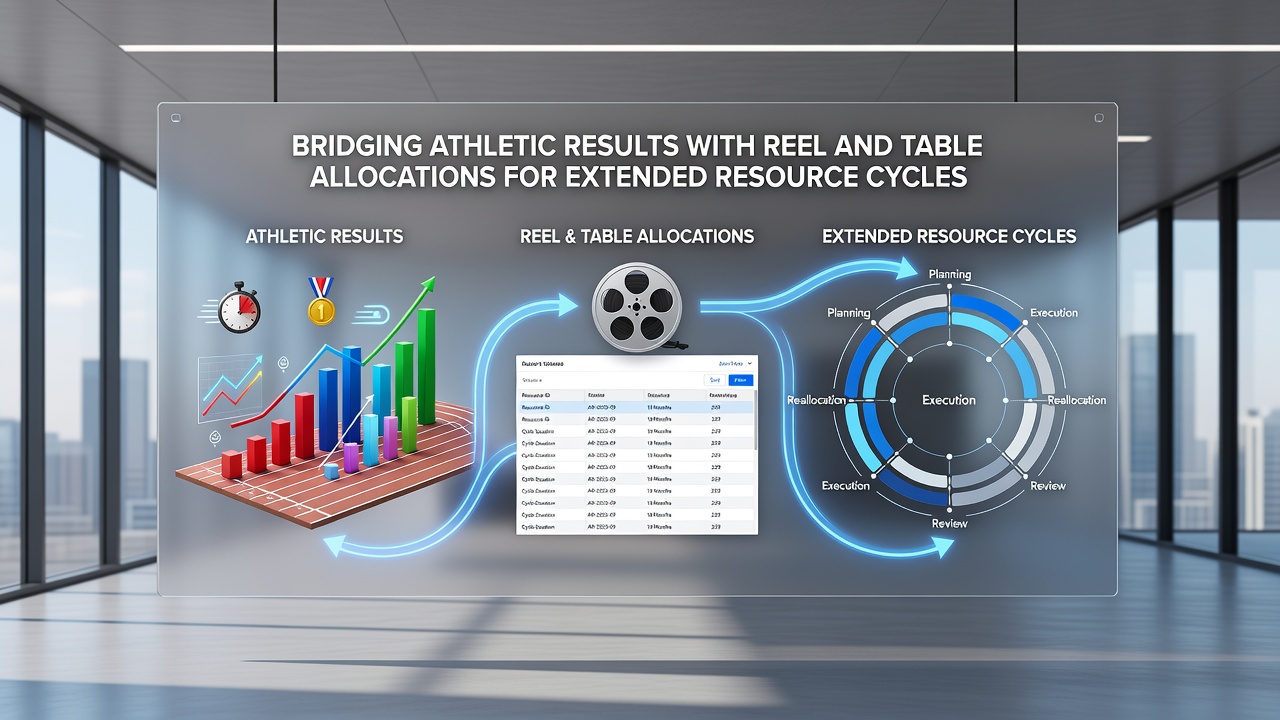
Resource management across athletic competitions and casino environments requires careful coordination when participants seek to stretch limited funds over multiple cycles of activity, and data from sports outcomes often informs decisions about how much to direct toward reel-based machines versus table games. Observers note that patterns in team or individual athletic results can signal broader trends in risk tolerance and payout structures, allowing for adjustments in allocation percentages that keep play sessions viable for longer periods without rapid depletion.
Connecting Performance Metrics to Gaming Categories
Analysts track win rates, injury reports, and seasonal statistics from various leagues because those figures sometimes mirror volatility levels found in different gaming formats, and people who monitor both areas discover that high-performing athletic seasons coincide with steadier table game returns in certain markets. This connection emerges because both domains rely on probability models where small shifts in underlying conditions produce measurable differences in extended outcomes, so reallocating portions of available resources becomes a practical response when athletic data indicates changing momentum.
Studies from university research groups have examined how participants divide funds between live sports events and electronic gaming terminals, revealing that those who adjust reel allocations downward after strong athletic results maintain balances longer across combined sessions. The same research indicates table game portions often increase during periods of athletic inconsistency since those formats allow more direct control over bet sizing and pacing.
Allocation Frameworks Used in Practice
Practitioners apply percentage-based splits that start with an initial division of total resources, typically directing 40 to 60 percent toward reels when athletic indicators show consistent scoring trends, while shifting emphasis toward tables when results appear more variable. These frameworks incorporate buffer amounts held in reserve specifically for transition points between different game types, preventing abrupt stops when one category experiences temporary downturns.
Case examples documented by industry observers show individuals maintaining separate tracking systems for athletic wagers and casino play, updating allocation ratios weekly based on the latest performance data. One documented approach involves capping reel exposure at fixed session lengths tied directly to recent athletic win margins, which extends overall cycles by reducing exposure during less favorable statistical windows.
Regulatory updates scheduled for June 2026 in several jurisdictions will introduce new reporting requirements around cross-category fund movements, and operators have already begun preparing tracking tools that align with these forthcoming standards. Participants who currently use digital dashboards to monitor athletic-to-gaming transfers will find compliance easier once those systems incorporate the standardized formats expected next year.
Data Sources Informing Adjustments
Figures from the National Council on Problem Gambling demonstrate measurable differences in session duration when participants apply structured allocation rules versus unstructured spending across categories. Additional evidence appears in reports issued by the International Association of Gaming Regulators, which tracks how resource distribution patterns evolve alongside external performance indicators from unrelated fields like professional sports.
Those patterns suggest that extending resource cycles depends less on any single game choice and more on maintaining flexible boundaries that respond to incoming data streams, whether those streams originate from athletic schedules or internal gaming logs. Software platforms used by some operators already flag when reel or table allocations exceed preset thresholds relative to recent athletic metrics, prompting users to review their current distribution before continuing.
Practical Implementation Steps
Implementation begins with establishing baseline percentages derived from historical athletic results over a minimum three-month window, then layering in table game minimums that activate only after reel sessions reach predetermined time limits. Regular reviews occur at the end of each athletic event cycle, allowing incremental changes rather than wholesale shifts that could disrupt ongoing play sequences.
Participants who follow these steps report fewer instances of premature session endings, because the athletic data provides an external reference point that prevents overcommitment to any one gaming format. Buffer reserves function as automatic stabilizers during periods when both athletic and gaming outcomes move in unfavorable directions simultaneously.
Conclusion
Bridging athletic results with reel and table allocations creates measurable extensions in resource cycle length when adjustments remain tied to verifiable performance data rather than reactive impulses. The approach relies on consistent monitoring, percentage-based divisions, and reserve buffers that accommodate variance across both domains. As regulatory frameworks evolve in June 2026, standardized tracking will further support these coordinated allocation methods across different entertainment categories.