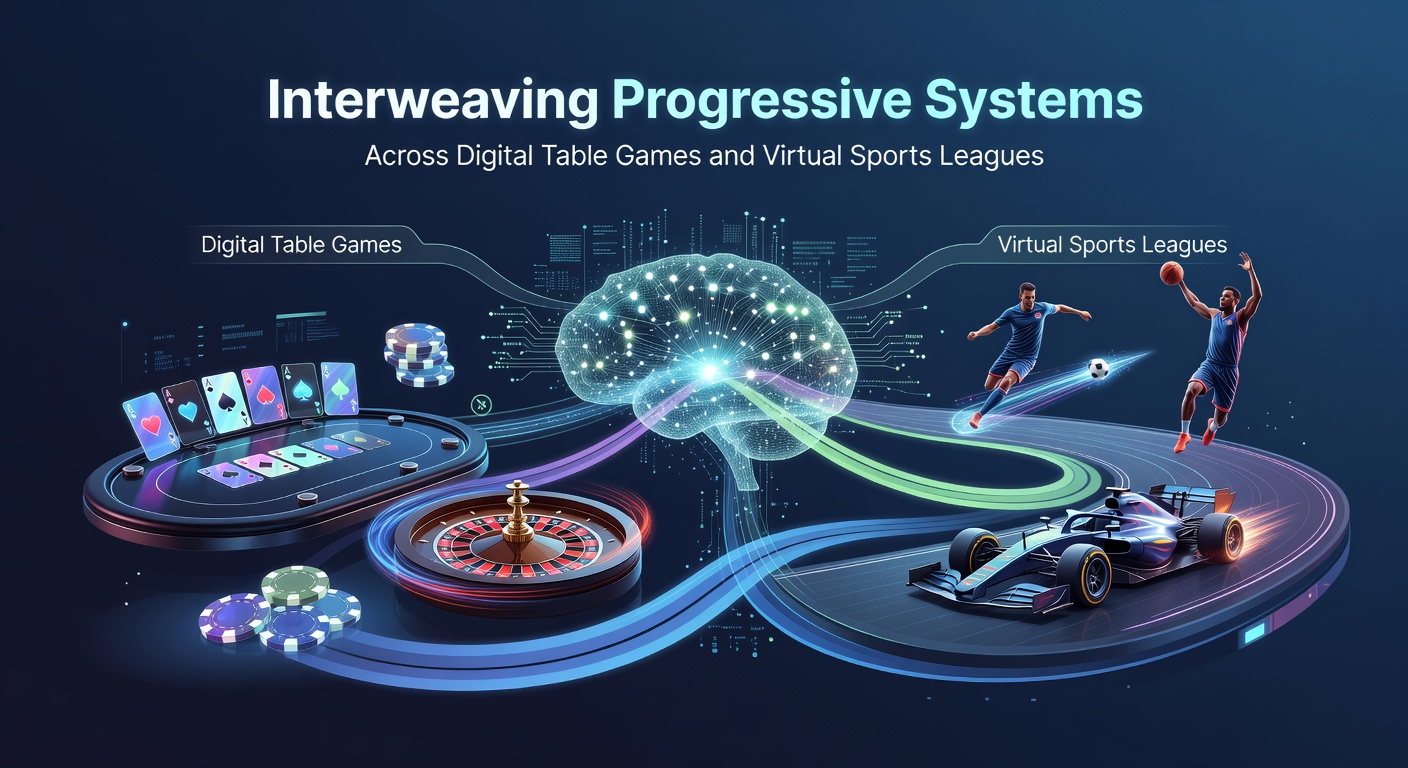
Connecting Progressive Jackpot Systems in Digital Table Games and Virtual Sports Platforms
Progressive jackpot systems have expanded beyond traditional slot machines into digital table games and virtual sports leagues, where contributions from multiple player bases feed shared prize pools. These networks pool wagers from blackjack, roulette, and poker tables alongside simulated events such as virtual football matches and horse races. Data from industry reports indicates that such linkages allow jackpots to grow at accelerated rates because bets placed on table outcomes and sports simulations contribute simultaneously to the same meter.
Mechanics of Cross-Platform Progressive Pools
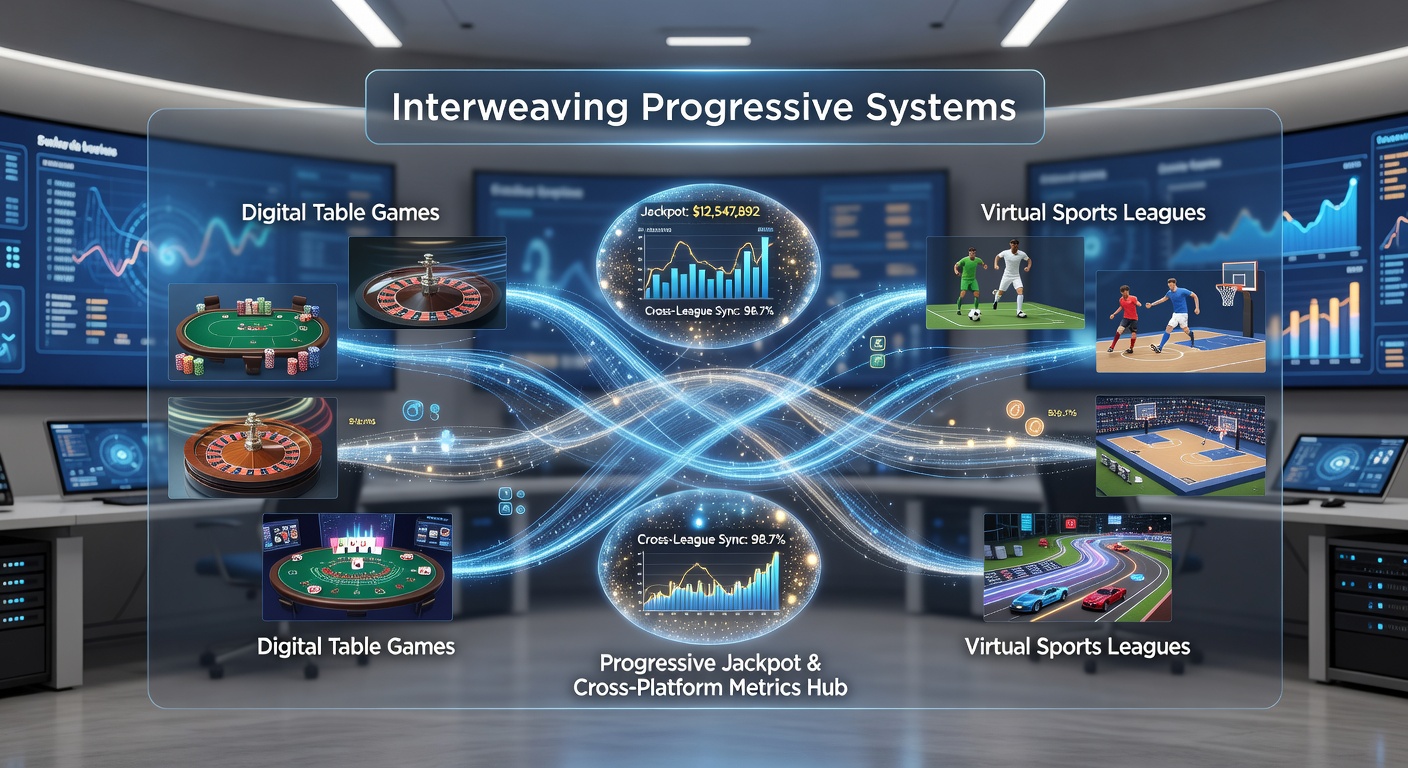
Operators configure software to allocate a percentage of each wager, whether on a digital blackjack hand or a virtual league match, into centralized funds. The allocation percentages vary by game type yet remain synchronized through backend servers that update meters in real time. Researchers have documented cases where a single progressive pool draws from both table game sessions and sports simulations, resulting in jackpot triggers that occur across unrelated player activities. This structure requires precise synchronization protocols to ensure fairness and accurate prize distribution when a win registers on either side of the network.
Implementation in Digital Table Games
Digital versions of classic table games now embed progressive elements through side bets or optional wager multipliers that feed the shared pool. In blackjack, players may place a progressive side bet that contributes to a jackpot triggered by specific card combinations, while roulette wheels incorporate betting options that link to the same meter. Observers note that these additions maintain the core rules of each game yet introduce the possibility of large payouts unrelated to standard table results. Software providers handle the technical integration by routing contributions through secure application programming interfaces that connect table game servers directly to the progressive controller.
Virtual Sports Leagues and Shared Prize Structures
Virtual sports platforms simulate athletic competitions using random number generators calibrated to historical performance data, and progressive systems have been layered onto betting interfaces for these events. A wager on a virtual soccer outcome or basketball result can contribute to the same progressive fund used by table game players. Figures from European gaming associations reveal that this interweaving has increased average jackpot sizes because the combined betting volume from both categories accelerates pool growth. The simulation engines run continuous match cycles, allowing contributions to accumulate without the scheduling constraints of live sports.
Technical Requirements for Seamless Interweaving
Integration demands robust server architecture capable of processing thousands of micro-transactions per minute while maintaining synchronization across game types. Encryption standards protect transaction data, and audit trails record every contribution to satisfy regulatory oversight. Platforms that achieve this level of connectivity often employ distributed ledger elements to log jackpot increments transparently. Those who have studied these systems report that latency below 50 milliseconds between wager placement and meter update is essential to prevent discrepancies during simultaneous play across table games and virtual sports.
Regulatory Considerations and 2026 Developments
Regulatory bodies in multiple jurisdictions have begun examining the implications of cross-category progressive systems. Standards scheduled for implementation in June 2026 emphasize enhanced player protection measures, including clearer disclosure of contribution rates and independent testing of random number generators used in both table simulations and sports events. The American Gaming Association has published guidelines that address how operators should segment funds when progressive pools span different game categories. Compliance frameworks in Canada and Australia similarly require regular reporting on jackpot distribution patterns to verify equitable allocation between table game participants and virtual sports bettors.
Case Examples from Current Platforms
One operator in the European market links progressive blackjack tables with virtual tennis leagues through a unified jackpot controller, resulting in reported pool growth rates exceeding 15 percent monthly when both categories experience high traffic. Another platform operating across North American and Asian markets combines roulette progressives with virtual horse racing simulations, triggering major jackpots approximately every 48 hours during peak periods. These examples demonstrate that the interweaving model functions across diverse regulatory environments when technical and compliance requirements are met.
Conclusion
Progressive systems that span digital table games and virtual sports leagues represent an evolution in how operators structure shared prize opportunities. The technical synchronization, regulatory adaptations, and documented performance metrics indicate sustained expansion of these networks through 2026 and beyond. Industry reports continue to track contribution volumes and trigger frequencies as platforms refine their integration methods.