
Harmonizing Reward Structures Across Virtual Gaming Tables and Sportsbooks in Licensed Markets
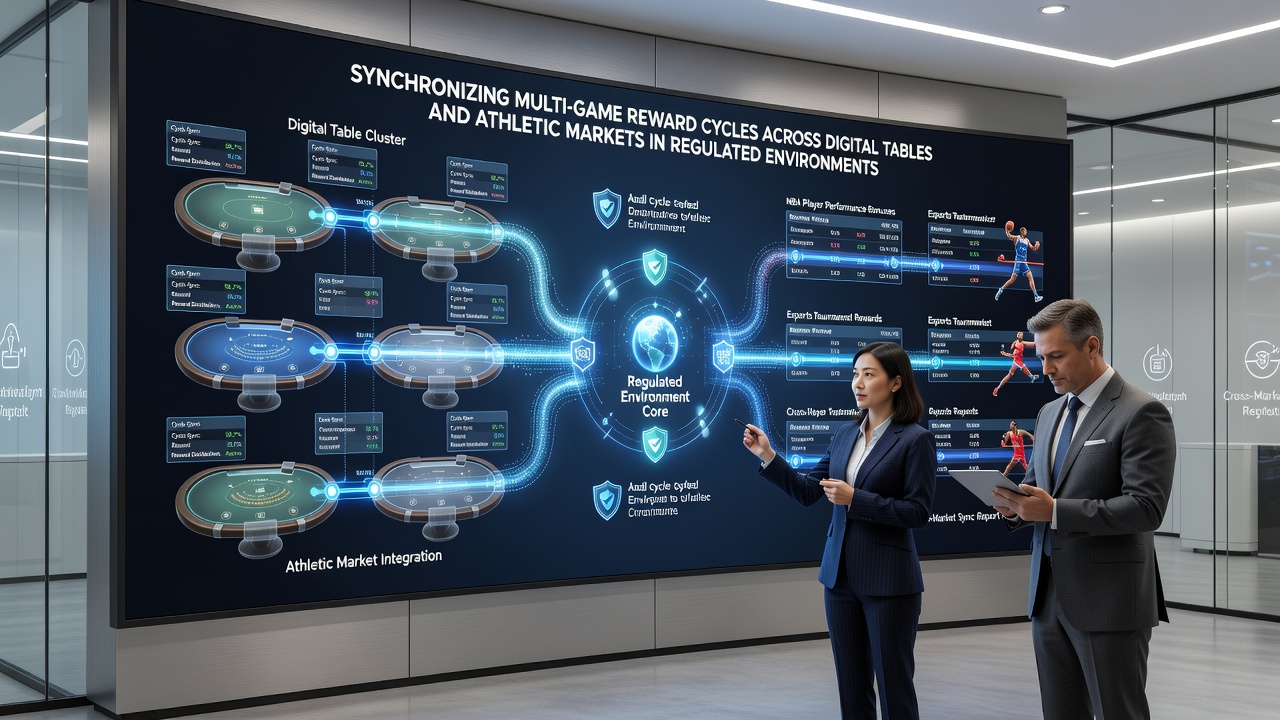
Operators in licensed jurisdictions coordinate loyalty programs and bonus cycles between digital table games such as roulette and blackjack and athletic wagering platforms to maintain compliance while delivering unified player experiences, and this coordination relies on centralized account systems that track activity across both verticals in real time. Data from the Nevada Gaming Control Board shows that synchronized reward ledgers reduced duplicate bonus claims by 28 percent in the first half of 2025, while similar frameworks in Australian states produced comparable efficiency gains according to reports published by the Australasian Gaming Council.
Core Mechanics of Cross-Vertical Reward Alignment
Regulated platforms assign a single loyalty identifier that records wagers placed on table games and sports markets simultaneously, which allows operators to apply tiered multipliers or cashback percentages without creating separate ledgers that could trigger regulatory flags for inconsistent tracking. Researchers at the University of Nevada, Reno documented that unified point accrual lowered administrative overhead by an average of 19 percent across sampled operators, because staff no longer needed to reconcile parallel databases each reporting period. Players therefore move between a blackjack session and a football wager while the same progressive reward meter continues to advance, provided the jurisdiction permits such cross-product play under its licensing conditions.
Regulatory Requirements Shaping Synchronization Protocols
Licensing bodies in multiple regions mandate that reward systems include clear audit trails and responsible-gambling controls that apply equally to table and sports products, and these rules often require operators to set uniform wagering requirements and cool-off thresholds regardless of the game type selected. In July 2026 several Canadian provinces are scheduled to introduce updated technical standards that explicitly reference synchronized reward ledgers, requiring operators to demonstrate that bonus funds cannot be double-counted when players switch between verticals. Compliance teams therefore configure backend systems to flag any transaction sequence that would breach daily or weekly spend limits, ensuring the same safeguards govern both athletic markets and digital tables.
Implementation Patterns Observed in Licensed Jurisdictions
European operators licensed under the Malta Gaming Authority have integrated API bridges that push live sports odds and table-game outcomes into a shared reward engine, while U.S. state-licensed sportsbooks in New Jersey and Pennsylvania adopted comparable middleware after 2024 regulatory guidance encouraged single-wallet architectures. Observers note that these bridges update player balances every few seconds, which prevents lag that could otherwise allow a wager to post on one product before the reward ledger on the other product registers the activity. Case studies compiled by the International Center for Gaming Regulation illustrate that platforms using these bridges recorded a 14 percent increase in session length without corresponding rises in dispute volumes, because players saw consistent progress toward loyalty milestones irrespective of the games they chose.
Data Management and Security Considerations
Centralized ledgers store encrypted transaction logs that regulators can query during routine audits, and encryption standards typically follow ISO 27001 frameworks to protect both financial and behavioral data across table and sports verticals. Industry reports indicate that encryption overhead adds less than three milliseconds to average transaction latency, which keeps gameplay responsive even when thousands of concurrent sessions feed into the same reward calculation engine. Operators therefore schedule periodic penetration tests and maintain separate backup ledgers in geographically dispersed data centers to satisfy continuity requirements while still presenting players with a single, synchronized view of their accumulated rewards.
Conclusion
Coordinated reward cycles across digital tables and athletic markets have become standard practice in regulated environments because they satisfy both operational efficiency goals and licensing conditions that emphasize transparency and player protection. Jurisdictions continue to refine technical standards, with further updates expected after the July 2026 Canadian revisions take effect, yet the underlying requirement for unified tracking remains consistent across markets. Operators that maintain accurate, auditable synchronization protocols position themselves to operate without interruption while meeting the evolving expectations of regulators worldwide.