
Poker Payouts Fueling Live Table Play: Analyzing Bankroll Movements Across Gaming Verticals
Players who cash in poker tournaments often redirect portions of those winnings straight into live dealer sessions, and observers note distinct patterns in how these funds cycle through roulette and blackjack tables. Data from multiple gaming jurisdictions shows tournament payouts averaging several thousand dollars per event create immediate liquidity for table play, while live dealer platforms maintain steady throughput because participants extend sessions without returning to slot machines or sportsbooks. Researchers at various institutions track these movements by examining transaction logs that reveal average transfer times of under 48 hours between poker win disbursements and first live dealer bets.
Understanding Tournament Payout Structures and Immediate Liquidity
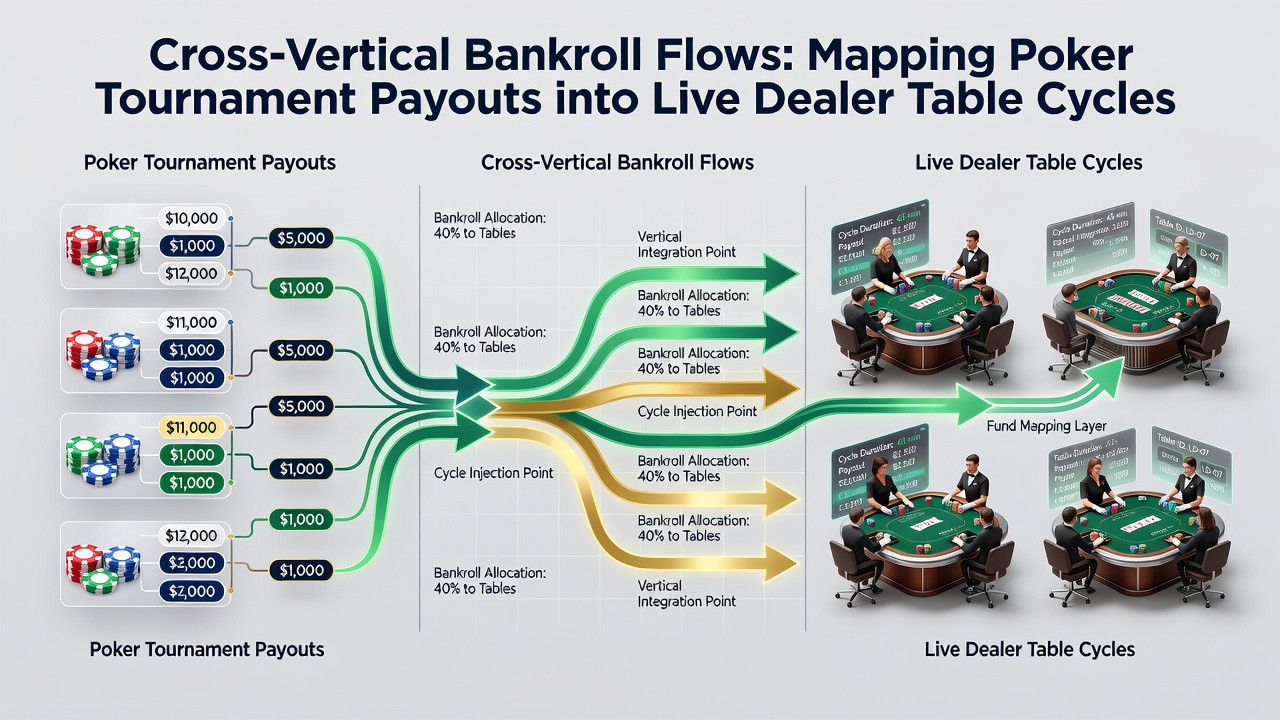
Tournament organizers release prize pools in structured tiers, and the top 10 percent of finishers typically receive amounts that exceed buy-ins by factors of five to twenty, according to aggregated reports from North American poker circuits. Those sums land in player accounts through direct transfers or checks, and recipients frequently allocate 30 to 50 percent toward live dealer environments where minimum bets range from five to twenty-five dollars per hand. Studies conducted by the University of Nevada Reno Gaming Research Center indicate that such allocations accelerate when events conclude on weekends, because participants remain in casino settings and transition without leaving the property.
Live Dealer Table Cycles and Session Duration Patterns
Live dealer tables operate on continuous cycles that reset every thirty to sixty minutes depending on game type, and blackjack rounds complete faster than roulette spins because card dealing mechanics allow eight to twelve hands per cycle. Players who arrive with tournament-derived bankrolls often maintain consistent bet sizing across these cycles, and evidence from platform analytics reveals average session lengths extending to four hours when starting stakes sit above two hundred dollars. The reality is that these extended durations arise because participants adjust wagers upward after early wins, sustaining table presence longer than cash-game specialists who enter with fixed hourly budgets.
Cross-Vertical Transfer Mechanisms in Practice
Casino operators facilitate transfers through integrated wallets that move funds between poker client interfaces and live dealer lobbies in seconds, and participants complete these moves without physical chip exchanges. One documented case involved a player who finished third in a mid-stakes event and directed 40 percent of the payout into a live roulette session that lasted six cycles before partial withdrawal. Figures from Australian gambling research centers show similar behavior across multiple venues where digital ledgers record 65 percent of post-tournament deposits reaching table products within the first day. Yet operators impose daily deposit caps on some accounts, which forces staggered transfers and creates measurable pauses in table activity.
Regulatory Context and August 2026 Developments
Multiple jurisdictions continue refining rules around fund segregation between poker and table games, and changes scheduled for August 2026 in select Canadian provinces will require separate reporting of cross-product deposits exceeding five thousand dollars. Those measures aim to improve audit trails without restricting player movement, and preliminary guidance from provincial regulators suggests operators must flag patterns where tournament payouts exceed 80 percent of subsequent table wagers. Industry associations in Europe have published parallel frameworks that emphasize transparency while preserving the seamless wallet experiences players expect.
Observed Behaviors Across Player Segments
Recreational participants tend to convert larger shares of tournament winnings into live dealer play compared with professionals who reserve portions for future buy-ins, and tracking data indicates recreational users sustain longer table cycles when initial deposits surpass typical session buy-ins by three times. Professionals, by contrast, often cap table exposure at 15 percent of recent tournament results to maintain bankroll mobility. Observers note these differences appear consistently across both online and land-based environments where digital tracking captures every movement.
Conclusion
Cross-vertical bankroll flows from poker tournaments into live dealer tables represent a measurable segment of overall casino activity, and available data from regulatory bodies and academic centers continues to document consistent transfer volumes and session extensions. Operators adapt wallet systems and reporting protocols to accommodate these patterns while meeting evolving compliance standards, and researchers maintain ongoing analysis of how such movements influence table occupancy rates through 2026 and beyond.