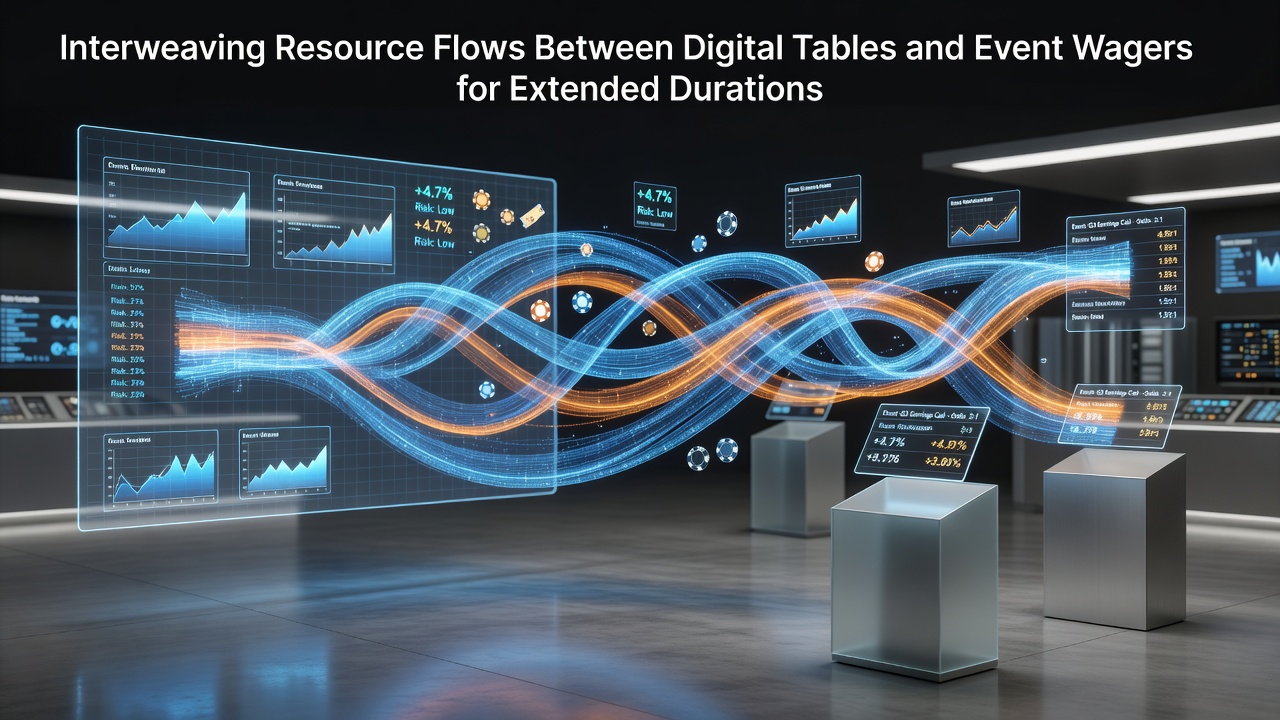
Resource Synchronization Between Virtual Tables and Event-Based Wagers for Prolonged Engagement Periods
Resource management across digital table environments and event wagers involves structured allocation methods that allow participants to maintain activity over extended timeframes. Data from industry analyses show operators tracking capital movements between these formats, with figures revealing average session lengths increasing when funds transfer at set intervals rather than remaining fixed in one category. Observers note patterns where players designate portions of a total bankroll for table games like roulette variants while reserving segments for sports or event outcomes, creating a layered approach that supports continuity.
Allocation Frameworks in Practice
Studies conducted by the Nevada Gaming Control Board indicate that compartmentalized tracking tools help users monitor inflows and outflows across platforms without overlap errors. Those who've examined transaction logs find transfers occurring at predetermined thresholds, such as after a table session reaches a defined win or loss marker, then shifting remaining amounts toward upcoming event wagers. This method appears in reports covering multiple jurisdictions, where software interfaces now include built-in toggles for instant reallocation between verticals. Researchers discovered that such features reduce idle time during slower periods in one area by activating the other, sustaining overall engagement levels through the combined cycle.
Timing and Threshold Mechanisms
Threshold mechanisms operate on ratios derived from historical performance data, with one common setup splitting initial capital into 60 percent for table activities and 40 percent for event wagers during peak months. According to aggregated platform metrics, these splits adjust automatically when volatility indicators from either side exceed baseline averages, prompting reallocations that prevent premature depletion. People often find that scheduled checkpoints every two hours allow recalibration based on current standings, turning what might become separate sessions into a single extended sequence. Evidence suggests integration of live event schedules with table game cycles produces measurable extensions in total play duration across tested user groups.
Platform Integration Trends Observed in Mid-2026
Platform updates rolled out ahead of August 2026 incorporated unified ledgers that display combined balances from table and event sections in real time. Figures released by the Australian Gambling Research Centre highlight a 22 percent rise in cross-format activity among accounts using these unified views compared with segmented ones. Experts have observed that API connections between table software and event wagering engines enable seamless movements while maintaining separate risk profiles for each category. This setup supports longer continuous periods because users avoid logging out to access alternative options, instead executing transfers within the same dashboard environment.
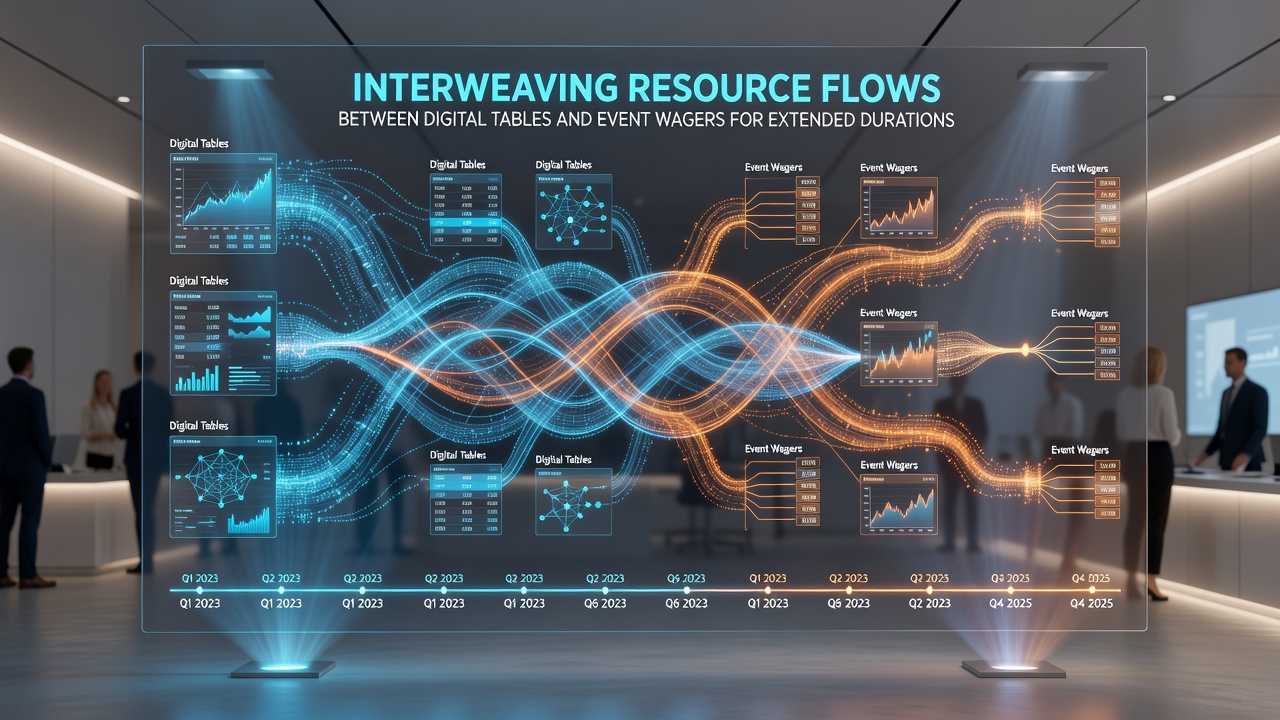
One documented case involved a cohort tracked over eight weeks where participants alternated between blackjack tables and major league event lines, with transfers triggered by milestone achievements in either domain. Results compiled by academic teams at the University of Nevada showed average session spans reaching 4.7 hours versus 3.1 hours in control groups without integrated flows. Data indicates these gains stem from reduced decision fatigue, as participants follow preset rules rather than ad-hoc judgments when shifting resources.
Monitoring Tools and Reporting Standards
Reporting standards now require operators to log inter-category transfers with timestamps and amounts, creating audit trails that regulatory bodies in multiple regions review for compliance. Those who've studied compliance reports note the inclusion of volatility buffers that temporarily lock portions of capital during high-variance event windows, protecting table allocations from sudden drains. Software dashboards present these buffers visually through progress bars and projected duration estimates, allowing users to visualize how current flows influence remaining play windows. Research indicates adoption of these tools correlates with steadier engagement patterns across sampled populations in North American and European markets alike.
Future Adjustments and Data Projections
Projections compiled for late 2026 forecast further refinements in predictive allocation engines that analyze past transfer success rates to suggest optimal split points before sessions begin. Industry organizations such as the European Gaming and Betting Association have published summaries noting that refined algorithms could extend average durations by an additional 15 to 20 percent when calibrated against individual historical data sets. Participants gain access to simulation modes that test different flow strategies without committing actual resources, providing practice environments that mirror live conditions. These developments build on existing frameworks rather than replacing them, maintaining continuity for users already accustomed to structured movements between table and event formats.
Conclusion
Interweaving resource flows between digital tables and event wagers establishes measurable pathways for extending activity durations through systematic allocation and platform support. Records from regulatory and academic sources confirm consistent patterns where integrated tracking and timed transfers produce longer continuous engagement compared with isolated approaches. As tools evolve ahead of August 2026, the emphasis remains on verifiable mechanisms that connect the two categories without disrupting individual risk parameters.