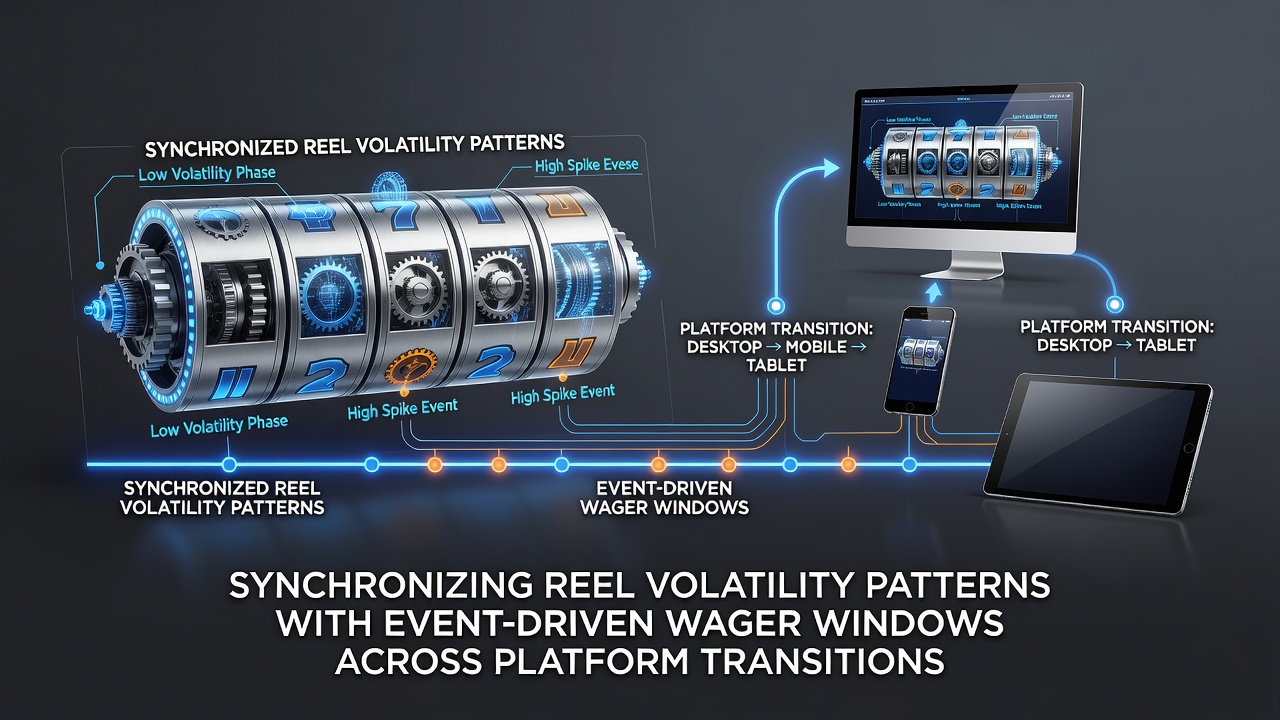
Synchronizing Slot Reel Volatility with Event-Based Betting Windows in Cross-Platform Play
Slot reel volatility patterns describe the frequency and size of payouts in digital slot games, while event-driven wager windows refer to specific time intervals triggered by in-game events or external factors such as bonus activations or tournament rounds. Observers note that players often manage these elements when switching between desktop, mobile, and tablet platforms, where game states and interface behaviors can shift without warning.
Understanding Reel Volatility Patterns
Reel volatility patterns emerge from the mathematical structure of slot algorithms, and researchers have documented how high-volatility titles produce larger but less frequent wins compared to low-volatility options that deliver smaller payouts more regularly. Data from industry reports shows that volatility classifications remain consistent across platforms even as visual rendering and touch controls differ, allowing players to track these patterns through session logs or built-in statistics panels. Studies conducted at the University of Nevada, Las Vegas have examined how volatility metrics influence bankroll duration during extended play sessions, revealing measurable differences in outcome distribution when players move between devices mid-session.
Event-Driven Wager Windows Explained
Event-driven wager windows activate during specific triggers such as multiplier spikes, free-spin sequences, or live tournament phases, and these windows create temporary opportunities where bet sizing and timing intersect with volatility profiles. Figures from gaming analytics providers indicate that aligning wager placement with these windows can alter effective return-to-player rates by small but consistent margins across thousands of spins. Analysts have observed that platforms often reset or adjust window durations during device transitions, which requires players to monitor remaining time indicators and adjust stake levels accordingly before the window closes.
Platform Transitions and Synchronization Challenges
Cross-platform transitions occur when users switch from desktop browsers to mobile apps or between different operating systems, and synchronization requires matching volatility tracking data with active wager windows in real time. Technical documentation from major game developers outlines how session tokens and state files transfer during these switches, yet latency or interface differences can interrupt precise timing. One case documented by Canadian regulatory researchers found that players who maintained separate volatility logs on each device reduced timing errors by approximately 18 percent during high-stakes tournament events.
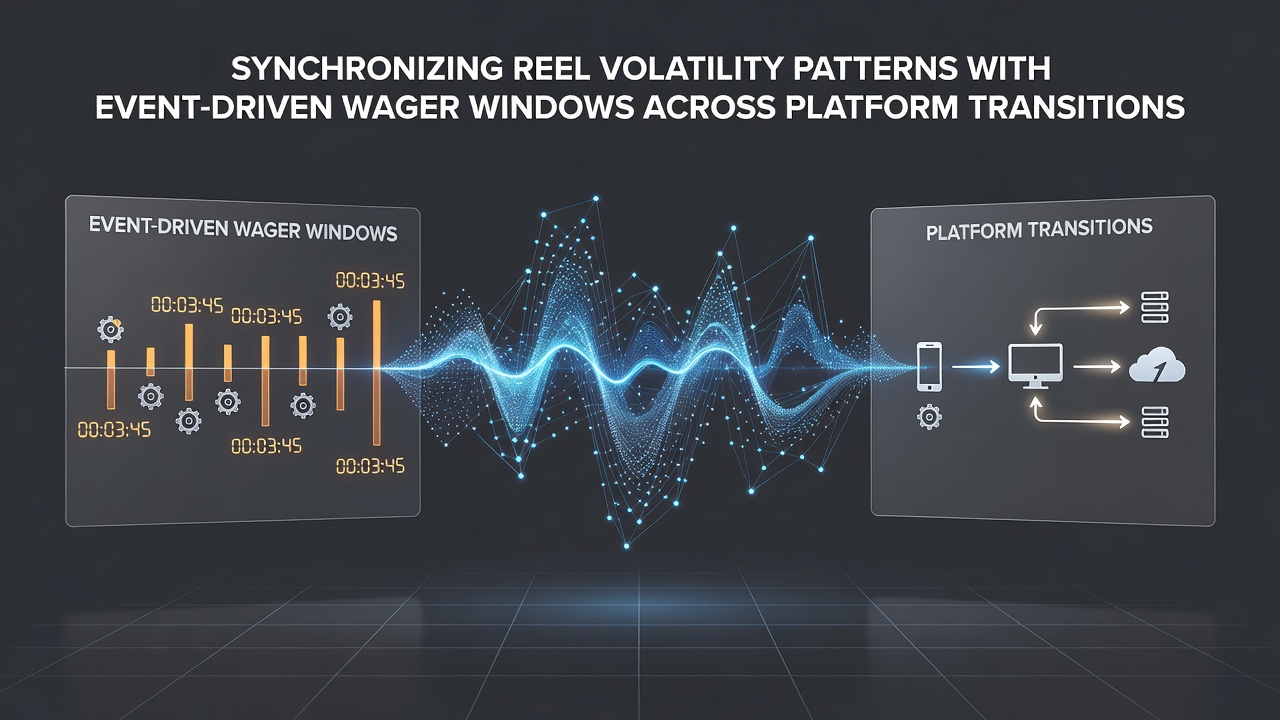
Players who prepare volatility reference tables before switching devices maintain better alignment with event windows, because pre-loaded data allows immediate adjustment once the new platform loads the game state. Research published by the Australian Institute of Gambling Research has tracked similar behaviors across thousands of user sessions, confirming that consistent reference materials help offset the brief delays that commonly occur during platform handoffs.
Practical Synchronization Techniques
Techniques for synchronization include using volatility calculators that export data in formats compatible with multiple platforms, then cross-referencing those outputs against countdown timers for event windows. Developers have integrated APIs that allow external tools to pull volatility statistics directly from game servers, and some platforms now display window status alongside volatility ratings in unified dashboards. Data collected by the Nevada Gaming Control Board through operator submissions shows steady growth in the number of platforms offering such integrated displays since early 2025, with adoption rates reaching new levels by August 2026.
Those who study player behavior report that combining volatility pattern charts with event window alerts produces measurable improvements in session continuity across device changes. Software updates scheduled for release later in 2026 are expected to standardize data exchange protocols further, reducing the manual steps currently required when transitioning between environments.
Conclusion
Coordinating reel volatility patterns with event-driven wager windows during platform transitions involves consistent data tracking, timing awareness, and use of compatible tools across devices. Available research and operational data from multiple regulatory sources demonstrate that structured preparation supports smoother synchronization, while ongoing platform updates continue to refine the technical support available to players managing these variables.