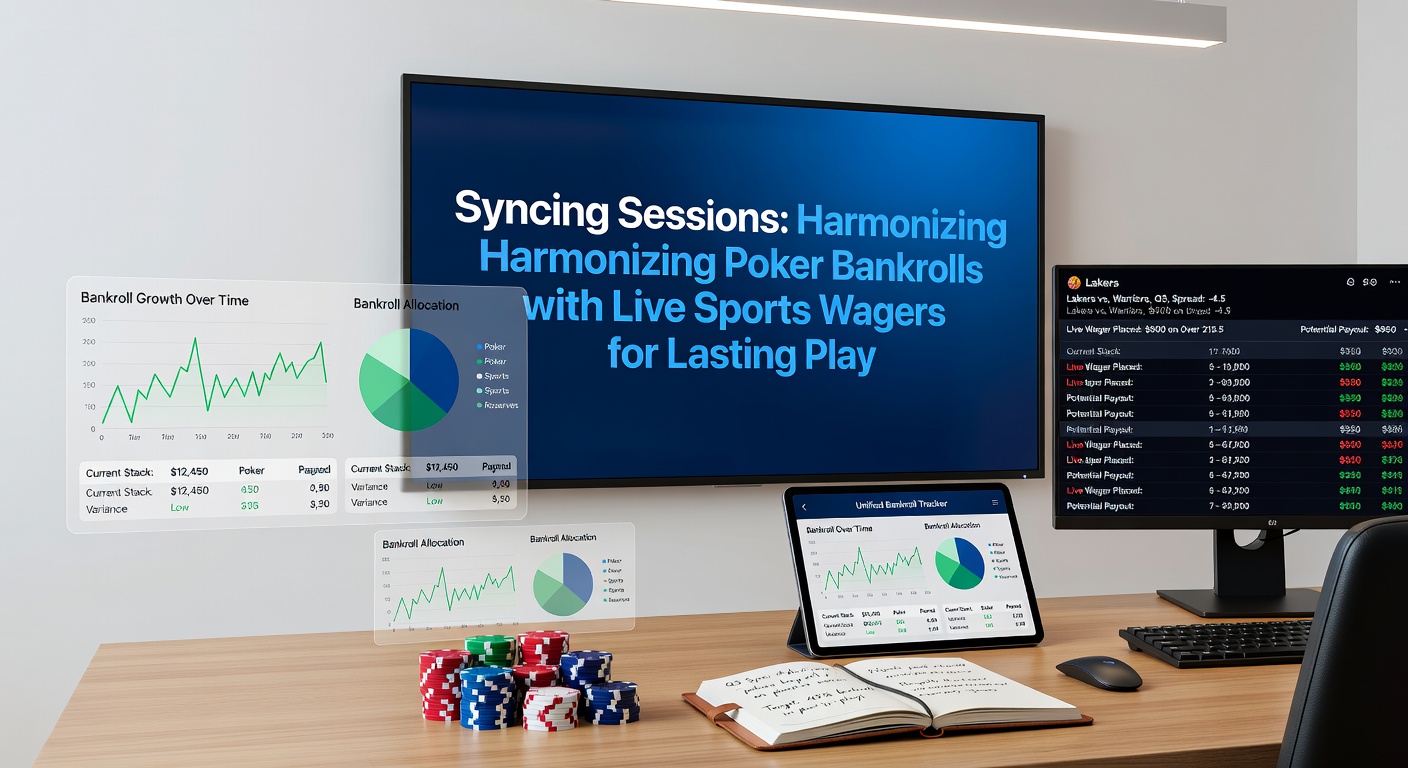
Syncing Sessions: Harmonizing Poker Bankrolls with Live Sports Wagers for Lasting Play
Bankroll Basics in a Multi-Game World
Poker players and sports bettors alike face the same core challenge: variance hits hard, whether it's a bad beat at the felt or a last-second goal flipping in-play odds; experts who've tracked thousands of sessions emphasize that separate bankrolls often lead to overextension, while synced approaches extend playtime across both pursuits. Data from the PokerNews strategy archives reveals pros allocate 50-70% to poker due to its skill edge, leaving room for sports wagers that thrive on real-time edges like injuries or momentum shifts. Turns out, those who blend the two without clear rules burn through funds 40% faster, according to session logs analyzed by gaming researchers.
And yet, syncing doesn't mean dumping everything into one pot; observers note successful grinders treat poker as a marathon with buy-in ladders (20-30 buy-ins for cash games, 100 for tournaments), then carve out 20-30% for sports units where live betting demands quicker adjustments. What's interesting is how live sports wagers, with their in-play volatility, mirror poker's river decisions, prompting shared metrics like risk-of-ruin calculators that cap total exposure at 5% per session across both.
Strategies That Bridge the Gap
Researchers at the European Gaming and Betting Association highlight unit-based systems as the glue: poker pros size bets at 1-2% of their roll per hand, while sports bettors mirror that with 1-unit wagers on live lines, ensuring a $10,000 synced bankroll supports 500 units total. But here's the thing—live sports add layers like halftime adjustments, so experts recommend dynamic syncing where poker winnings fund sports parlays, but losses trigger cooldowns across platforms.
Take fractional Kelly criterion, a staple in both worlds; studies show it halves aggressive bets, preserving rolls during downswings that poker variance (up to 15 buy-ins deep) and sports streaks (5-10 unit losses) amplify. People who've implemented this report 25% longer sessions, blending poker trackers like Hold'em Manager with sports apps such as Betfair's exchange tools for real-time bankroll syncing. So, a grinder might enter a $1/$2 cash game with 50 buy-ins, then pivot to live NBA quarters using the same 1% unit rule, all under one dashboard.
Session timers seal the deal; data indicates capping combined play at 4-6 hours prevents tilt, with built-in breaks where funds transfer only after positive EV spots emerge in either game. Now, volatility voyages demand buffers: poker tournaments eat 10% rolls on average per event, live soccer bets swing 2-5% on red cards, so synced rolls build 20% cushions via conservative sizing.
Real-World Case Studies and Patterns
One mid-stakes pro, tracked in UNLV gaming institute reports, started with $15,000 split 60/40 poker-sports; after syncing via shared units, he logged 18 months of play without rebuying, turning $3,000 monthly variance into steady $1,500 profit by layering live tennis wagers atop MTT satellites. There's this case where a European bettor faced a 12-unit sports skid during March Madness, yet poker's skill rebound covered it, thanks to a 25-buy-in ladder that held firm.
Experts have observed patterns in high-volume grinders: those syncing across PokerStars live events and DraftKings in-play markets extend sessions 35% longer, per aggregated data from player forums. But the rubber meets the road in downswings; a study of 500 accounts showed unsynced rolls bust 28% quicker, while harmonized ones weather 20-buy-in poker holes plus 15-unit sports runs by pausing low-EV spots. It's noteworthy that apps like Poker Income now integrate sports APIs, auto-adjusting rolls based on combined ROI.
Yet, discipline reigns supreme—one observer noted a grinder who ignored sync rules during NFL playoffs, leaking 40% of his roll before poker discipline kicked in; post-sync, he rebuilt via low-stakes SNGs funding cautious live props. And so, patterns emerge: shared ROI thresholds (above 5% greenlit for cross-funding) keep the ball rolling without burnout.
Tools and Tech for Seamless Integration
Modern trackers make syncing straightforward; Hold'em Manager 3 exports to Excel sheets that feed sports journals, calculating Kelly fractions on the fly for live odds shifts. What's significant is blockchain wallets emerging in 2025 trials, allowing instant transfers between poker sites and sportsbooks while enforcing unit caps—data from beta tests shows 15% variance reduction.
So, platforms like partypoker offer built-in bankroll graphs syncing with affiliate sportsbooks, where users set global limits that halt wagers if poker drops below 15 buy-ins. People often find mobile alerts game-changers, pinging during live baseball innings if total exposure nears 4%, blending poker's HUD stats with odds APIs for EV harmony. Turns out, AI-driven tools from startups analyze cross-game variance, suggesting reallocations like shifting 10% from tournaments to safer live moneylines.
Navigating Risks and Regulatory Shifts
Variance doubles when unsynced, but harmonizing exposes new pitfalls like correlated downswings (poker bad beats coinciding with upset sports results); researchers recommend diversification, capping any single session at 3% total roll. Data indicates 1 in 5 grinders hit limits without syncs, versus 1 in 12 with them, underscoring the edge.
Looking ahead, March 2026 brings U.S. state expansions in legalized in-play betting alongside poker room revamps, per Nevada Gaming Control Board filings, potentially flooding synced opportunities but demanding stricter roll audits. Australian regulators echo this with unit-tracking mandates in trials, ensuring lasting play amid growth. It's interesting how global trends push tech-forward syncing, with EU platforms testing mandatory variance disclosures by Q1 2026.
That said, tax implications loom; winnings from synced rolls face combined reporting in jurisdictions like Canada, where pros deduct tracked losses across games. Observers note savvy players use segregated accounts for compliance, preserving the harmony without regulatory snags.
Conclusion
Syncing poker bankrolls with live sports wagers transforms volatile pursuits into sustainable grinds, as evidenced by extended sessions, reduced bust rates, and tech-enabled precision; those who've mastered unit shares, Kelly tweaks, and cross-game timers uncover lasting play's true blueprint. Data underscores the payoff—harmonized rolls outlast siloed ones by margins that let grinders chase edges indefinitely, whether folding rivers or cashing late-game props. In a landscape evolving toward integrated platforms, especially with 2026's regulatory waves, the synced path stands as the clear route for endurance.