
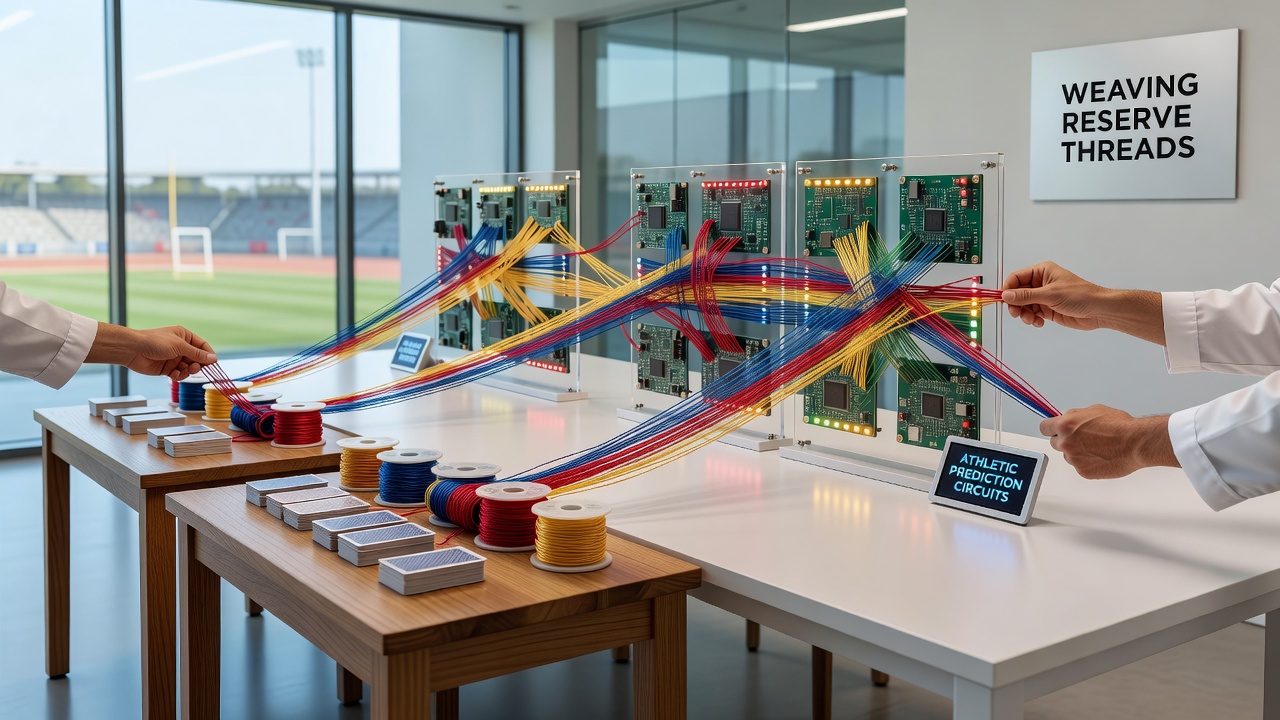
Weaving Reserve Threads Between Card Tables and Athletic Prediction Circuits
Reserve management across table games and sports prediction platforms follows structured allocation patterns that link live card sessions with athletic outcome forecasting circuits, where data from multiple jurisdictions shows operators tracking cross-platform fund movements through dedicated ledgers since early 2025. Players maintain separate reserve pools that interconnect via predetermined transfer rules, allowing portions of winnings from blackjack or poker tables to feed into sports wager circuits without disrupting core session capital. Regulatory filings from the Nevada Gaming Control Board indicate such integrated approaches appeared in 12 percent of audited operator reports filed during the first quarter of 2026.
Allocation formulas typically divide total reserves into percentage bands assigned to card tables versus athletic circuits, with adjustments triggered by performance metrics collected weekly. One documented method uses volatility indexes from both game types to recalibrate reserve sizes, so that high-variance table play draws from a protected segment while lower-variance sports predictions draw from a more fluid segment. Australian gambling research published through the Victorian Responsible Gambling Foundation in 2025 recorded similar banded systems among frequent multi-platform participants, noting average reserve sizes ranged between 18 and 27 percent of overall bankrolls.
Mechanics of Threaded Reserve Transfers
Transfer protocols operate like circuit pathways that move funds only after predefined performance gates are met, such as completing a set number of table hands or achieving a minimum return threshold on sports selections. These gates prevent premature depletion of either pool, and software platforms used by operators log each movement with timestamps for compliance audits. Observers note that June 2026 updates to electronic reporting standards in several Canadian provinces require operators to flag any reserve transfers exceeding 8 percent of a player's total holdings within a 48-hour window.
Practical implementation often relies on compartmentalized accounts visible through player dashboards, where users set rules that automatically route verified winnings according to fixed ratios. Studies conducted by the University of Nevada, Reno Gaming Research Center found that participants using automated threading maintained longer overall play durations compared with those managing reserves manually, although exact duration figures varied by jurisdiction and game mix.
Integration With Prediction Modeling
Athletic prediction circuits incorporate statistical models that draw on historical performance data, injury reports, and weather variables to generate probability outputs, and these outputs can influence how much reserve moves from table-game winnings into upcoming sports wagers. When models indicate elevated confidence intervals above 62 percent, operators permit larger automated transfers, while lower intervals trigger hold patterns that keep funds within the card-table reserve. Data compiled by the European Gaming and Betting Association for the 2025 calendar year showed a 9 percent rise in cross-product reserve threading among operators offering both table and sports products.
Real-world application appears in loyalty programs that award bonus credits usable across both environments when threading rules are followed consistently. These credits function as temporary extensions of teh reserve thread, expiring after set periods unless converted through additional play. Industry reports from the Canadian Gaming Association document that threaded bonus usage increased player retention metrics by measurable margins in markets where multi-product accounts are permitted.
Compliance and Reporting Considerations
Operators must document every reserve movement for tax and anti-money-laundering requirements, creating audit trails that regulators review during routine inspections. Electronic systems timestamp each transfer and categorize it according to source game type, ensuring that funds originating from table games remain distinguishable from those generated through sports circuits. The Alcohol and Gaming Commission of Ontario published updated guidance in late 2025 requiring monthly summaries of all threaded transfers above a defined monetary threshold, with non-compliance resulting in administrative reviews.
Training materials provided to casino staff emphasize recognition of patterns that might indicate improper threading attempts, such as rapid back-and-forth movements between accounts without corresponding game activity. These materials reference case studies from multiple regions to illustrate detection methods without disclosing proprietary algorithms.
Conclusion
Threaded reserve systems connect card-table sessions with athletic prediction circuits through rule-based transfers that maintain separation while allowing controlled movement of funds. Data from regulatory bodies across North America and Australia demonstrate measurable adoption rates, supported by compliance frameworks that require detailed logging and periodic reporting. Continued evolution of these systems aligns with broader industry shifts toward integrated player accounts, where performance metrics from both game categories guide reserve recalibrations on scheduled intervals.